

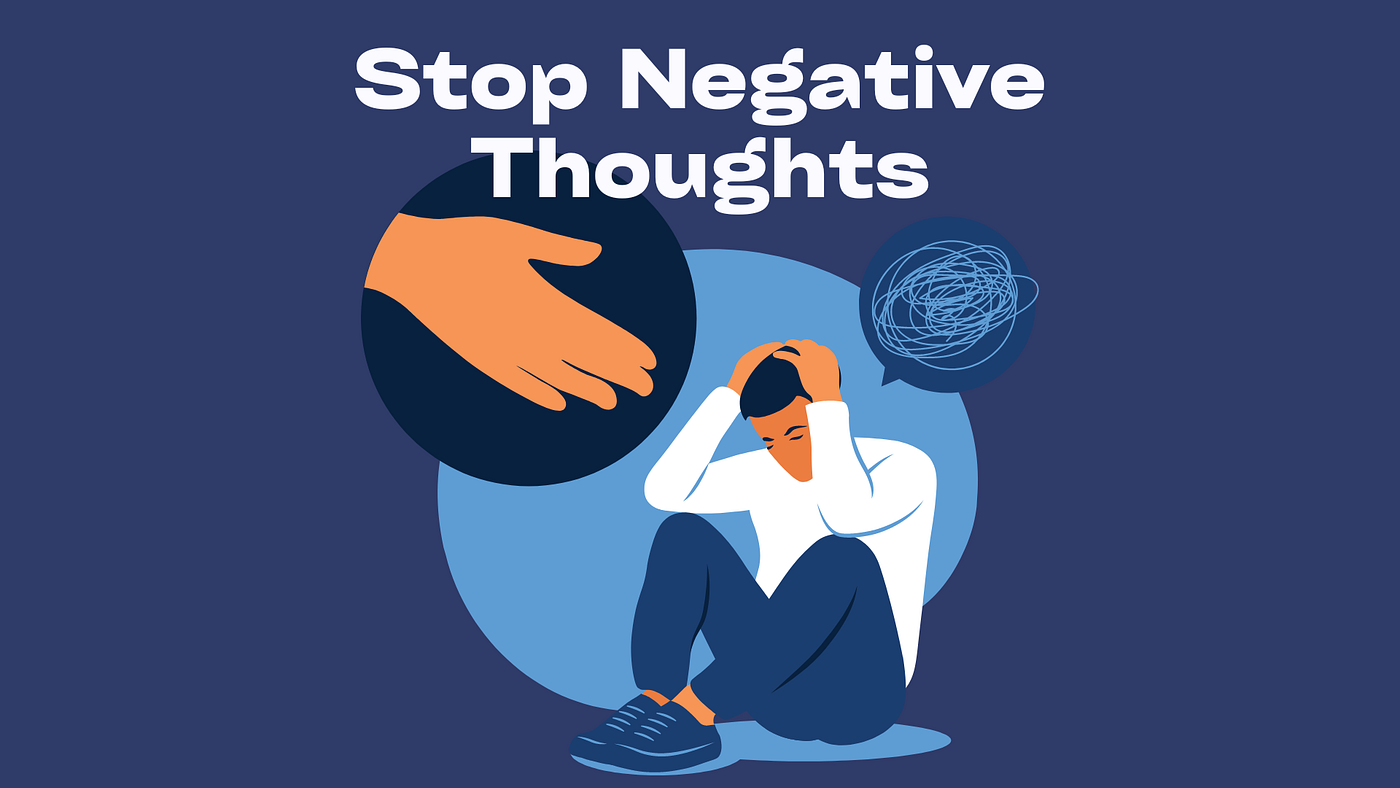
Negative thoughts can quietly shape the way we see ourselves, our relationships, and the world around us. At Mindful Therapy Solutions, we often work with individuals who feel overwhelmed by negative thinking and unsure how to regain control of their inner dialogue. The good news is that learning how to stop negative thoughts is possible with awareness, practice, and compassionate support.
If you have ever felt stuck in a cycle of overthinking or noticed a persistent negative mindset affecting your confidence, you are not alone. Understanding how to deal with negative thoughts is a skill that can be developed over time. In this article, we share four practical and therapeutic approaches to help you stop negative thinking and create healthier mental patterns.
Understanding the Impact of Negative Thinking
Before learning how to stop negative thoughts, it is important to understand what negative thinking actually does to the mind and body. Repeated negative thoughts can trigger stress responses, increase anxiety, and lower self esteem. Over time, a negative mindset may begin to feel automatic and convincing.
Negative things that happen in daily life are a normal part of the human experience. However, when the mind constantly focuses on worst case scenarios, self criticism, or fear based assumptions, negative overthinking can take over. Many clients tell us they feel exhausted from fighting negative thoughts all day.
Recognizing that thoughts are not facts is the first step in learning how to deal with negative thoughts. Thoughts are mental events, not truths. Once we create that separation, it becomes easier to challenge negative thoughts instead of automatically believing them.
Tip One Notice and Name the Thought
One of the most powerful ways to stop negative thinking is to slow down and observe it. Instead of trying to push the thought away, gently notice it. You might say to yourself, I am having a negative thought about this situation.
This simple shift creates space between you and the thought. When you are aware of negative thinking as a pattern rather than an identity, you are better equipped to change it. At Mindful Therapy Solutions, we often guide clients to write down recurring negative thoughts and identify the themes behind them.
Naming the thought also helps reduce the emotional intensity attached to it. When you can say, This is my negative overthinking showing up again, you take away some of its power. Awareness is the foundation of learning how to stop negative thoughts in a sustainable way.
Tip Two Challenge Negative Thoughts with Evidence
The next step is to challenge negative thoughts with realistic evidence. Ask yourself what proof supports this thought and what proof does not. Often, negative thinking relies on assumptions rather than facts.
For example, if you believe you always fail, take a moment to reflect on situations where you succeeded or showed resilience. This practice helps you challenge negative thoughts and replace extreme statements with balanced perspectives.
Fighting negative thoughts does not mean arguing harshly with yourself. Instead, it involves responding with curiosity and compassion. When you practice this consistently, you begin to weaken the grip of a negative mindset and strengthen healthier thought patterns.
Learning how to deal with negative thoughts through evidence based reflection is a core part of cognitive behavioral therapy and a powerful tool for long term change.
Tip Three Shift from Overthinking to Action
Negative overthinking often keeps you stuck in analysis without movement. When you find yourself asking how to stop negative overthinking, it may help to redirect your energy toward a small, meaningful action.
Action interrupts the cycle of rumination. Even a simple step such as sending an email, taking a short walk, or organizing your space can reduce the intensity of negative thoughts. Movement brings the mind back into the present moment.
Over time, replacing overthinking with intentional action helps retrain the brain. Instead of spiraling into negative things that might happen, you begin to focus on what you can influence. This shift builds confidence and reduces anxiety.
If you struggle with persistent negative thinking that feels uncontrollable, working with a therapist can provide structured guidance on how to stop negative thoughts more effectively.
Tip Four Build a Healthier Inner Dialogue
Stopping negative thinking is not only about removing harmful thoughts. It is also about cultivating a kinder internal voice. Many people with a negative mindset speak to themselves in ways they would never speak to others.
Begin practicing self compassionate statements. When a mistake happens, remind yourself that imperfection is part of being human. When doubt arises, acknowledge your efforts instead of dismissing them.
Replacing negative thoughts with realistic and supportive language takes time. It is a gradual process of reshaping beliefs and reinforcing new mental habits. The more you practice this approach, the more natural it becomes.
If you are constantly fighting negative thoughts, therapy can help uncover deeper patterns rooted in past experiences or unresolved emotions. Healing those roots often leads to lasting change.
Why Choose Us
At Mindful Therapy Solutions, we understand that negative thoughts are not simply habits to break but experiences that deserve care and understanding. Our approach combines evidence based techniques with empathy and personalized support. We work closely with each client to explore how to deal with negative thoughts, challenge negative thinking, and develop healthier coping strategies. Our goal is to help you move beyond a negative mindset and build a life guided by clarity, resilience, and self compassion.
If you are ready to learn how to stop negative thoughts and build a healthier mindset, contact us today to schedule a session with Mindful Therapy Solutions.
Frequently Asked Questions
How do I know if my negative thoughts are a problem?
Negative thoughts become a concern when they are persistent, intense, and interfere with daily functioning or relationships. If you feel trapped in negative thinking or constantly trying to stop negative overthinking without success, professional support may be helpful.
What is the best way to challenge negative thoughts?
The most effective way to challenge negative thoughts is to examine the evidence for and against them and replace extreme beliefs with balanced statements. This approach helps reduce negative mindset patterns and supports healthier thinking.
Can therapy really help with fighting negative thoughts?
Yes, therapy provides structured tools and emotional support to help you understand how to stop negative thoughts. A therapist can guide you in identifying triggers, challenging negative thinking, and building long term coping strategies.
Why do I keep overthinking negative things?
Negative overthinking often develops as a protective response to stress or uncertainty. The mind tries to predict and control outcomes, but this can increase anxiety. Learning how to stop negative overthinking involves mindfulness, cognitive techniques, and emotional regulation skills.
How long does it take to stop negative thinking?
There is no fixed timeline. Changing negative thinking patterns takes consistent effort and patience. With practice and the right guidance, many individuals begin to notice meaningful improvements in a few weeks.