

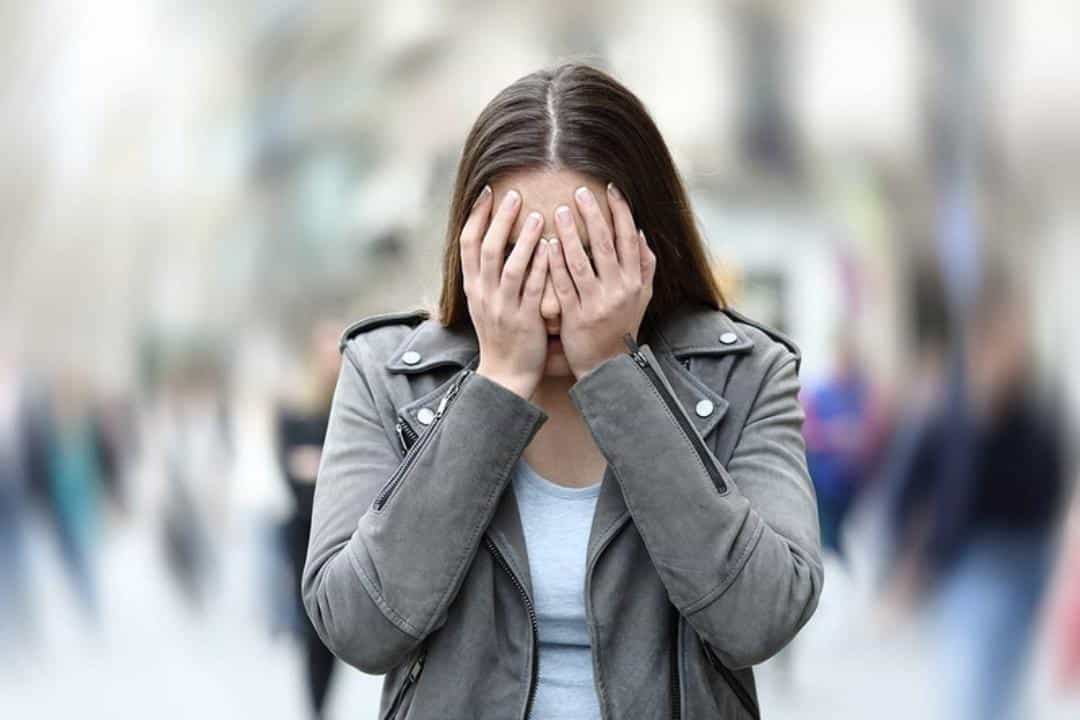
Social anxiety is far more than shyness. It is a deeply uncomfortable and often debilitating experience that can quietly take over large parts of a person’s life without them fully realizing what is happening. Many adults living with social anxiety have spent years believing that there is simply something wrong with them, that they are too sensitive, too awkward, or not capable of connecting with others the way everyone else seems to. At Mindful Therapy Solutions, we want you to know that social anxiety is a recognized and treatable condition, and you do not have to keep living under its weight.
Understanding Social Anxiety Disorder in Adults
Social anxiety disorder, also known as social phobia, is a condition in which a person experiences intense fear or discomfort in social situations. This fear typically centers around being judged, embarrassed, or humiliated by others. It goes far beyond feeling nervous before a big presentation or a first date. For someone with social anxiety disorder, even everyday interactions such as making a phone call, eating in public, joining a conversation, or walking into a room full of people can feel genuinely terrifying.
What makes social anxiety particularly challenging is that most adults who experience it are fully aware that their fear is irrational. They know logically that the cashier at the grocery store is not judging them. They know that speaking up in a meeting should not feel life-threatening. But awareness alone does not make the fear go away, and this gap between knowing and feeling is one of the reasons social anxiety can be so exhausting and isolating.
Common Signs of Social Anxiety in Adults
Social anxiety can show up in both emotional and physical ways. Emotionally, a person with social anxiety may experience an overwhelming fear of being embarrassed or humiliated in front of others, intense worry about upcoming social situations that can last for days or even weeks in advance, a persistent tendency to replay conversations after they have ended and criticize themselves for what they said, avoidance of social events or situations wherever possible, and difficulty making or maintaining friendships despite genuinely wanting human connection.
Physically, social anxiety can trigger blushing, sweating, trembling, nausea, a racing heart, difficulty speaking, and a general sense of freezing up when under perceived social scrutiny. These physical symptoms can make the condition even more distressing because the person often becomes anxious about the physical symptoms themselves, creating a cycle that is hard to break without support.
Many adults with social anxiety also struggle at work. They may avoid asking for help, decline opportunities for advancement that involve public speaking, steer clear of networking events, or feel paralyzed during meetings. Over time, this can limit professional growth and contribute to feelings of low self-worth and frustration.
What Causes Social Anxiety in Adults
The causes of social anxiety are not always straightforward, and they are rarely just one thing. Research points to a combination of genetic, environmental, and psychological factors. Some individuals may have a naturally more sensitive nervous system that is wired to perceive social threats more intensely. Others may have developed social anxiety following negative experiences such as bullying, public humiliation, rejection, or growing up in an environment where criticism was frequent and validation was rare.
Unresolved childhood experiences play a significant role in the development of social anxiety. If you grew up being told you were not good enough, being made to feel ashamed of yourself, or witnessing anxious social behavior in a parent or caregiver, those experiences leave impressions on the nervous system that can shape how you engage with the world in adulthood.
Social anxiety can also be triggered or worsened by major life transitions such as starting a new job, moving to a new city, going through a breakup, or becoming a parent. These transitions place people in unfamiliar social territory, and for those already predisposed to social anxiety, that unfamiliarity can quickly become overwhelming.
How Social Anxiety Affects Relationships and Quality of Life
When social anxiety goes untreated, it rarely stays contained to just a few areas of life. It tends to spread. The person who starts by avoiding parties may eventually stop returning calls, cancel plans with close friends, withdraw from family gatherings, and gradually become more and more isolated. This isolation, while it may feel like relief in the short term, almost always deepens feelings of loneliness, depression, and shame over time.
Social anxiety can also place significant strain on romantic relationships. A partner may not fully understand why their loved one refuses to attend social events, struggles in group settings, or seems distant and closed off. Without open communication and the right support, this misunderstanding can lead to conflict and disconnection.
Effective Treatment for Social Anxiety in Adults
The good news is that social anxiety responds very well to treatment, and with the right therapeutic support, genuine, lasting improvement is absolutely possible. At Mindful Therapy Solutions, our approach to treating social anxiety is grounded in evidence-based practices that have been shown to produce real results.
Cognitive Behavioral Therapy is one of the most effective treatments for social anxiety. It works by helping you identify the distorted thought patterns that are fueling your fear and gradually replacing them with more balanced, realistic ways of thinking and responding. Over time, CBT helps rewire the automatic reactions that make social situations feel so threatening.
Dialectical Behavioral Therapy and mindfulness-based techniques are also incorporated into our approach to help clients develop greater awareness of their emotional responses and learn how to regulate them without avoidance. Exposure work, done gently and at your own pace within a therapeutic relationship, can also be a powerful part of overcoming social anxiety by helping you gradually face feared situations rather than continue to avoid them.
Group therapy can be especially meaningful for adults with social anxiety because it provides a structured, supportive environment to practice social interaction with others who truly understand the experience.
Why Choose Mindful Therapy Solutions
At Mindful Therapy Solutions, we approach social anxiety with the depth of understanding it deserves. We know how much courage it takes to reach out for help when anxiety makes even that feel overwhelming, and we honor that courage every step of the way. Our licensed therapists bring both clinical expertise and genuine compassion to every session, and we tailor our treatment approach to your individual experience rather than using a generic protocol. We serve adults across Staten Island, Brooklyn, Queens, the Bronx, and Manhattan, and our welcoming office environment is intentionally designed to feel calm and safe from the moment you walk in. You deserve a life where social situations feel manageable, and we are here to help you get there.
Take the first step today and contact us for a free consultation — speaking with us is the beginning of the change you have been waiting for.
Frequently Asked Questions
What is social anxiety disorder in adults?
Social anxiety disorder is a mental health condition characterized by intense, persistent fear of social situations in which a person believes they may be judged, embarrassed, or humiliated by others. It is more than shyness and can significantly impact daily life.
What are the signs of social anxiety in adults?
Signs include fear of being watched or judged, avoidance of social situations, difficulty making eye contact, excessive self-consciousness, physical symptoms like sweating or trembling in social settings, and overthinking conversations after they happen.
What causes social anxiety in adults?
Social anxiety can be caused by a combination of genetics, past negative social experiences such as bullying or humiliation, anxious role models during childhood, brain chemistry, and major life transitions that increase social stress.
Can social anxiety be treated without medication?
Yes. Therapy, particularly Cognitive Behavioral Therapy and mindfulness-based approaches, has been shown to be highly effective in treating social anxiety without medication, though some individuals may benefit from a combination of both.
How long does it take to overcome social anxiety?
The timeline varies from person to person. With consistent therapy, many people begin to notice meaningful improvement within a few months. Full recovery is possible with the right support and commitment to the process.
Does Mindful Therapy Solutions treat social anxiety?
Yes. We offer specialized therapy for social anxiety in adults at our Staten Island location and through teletherapy across New York. Contact us to schedule a free consultation.